The Romans drove on the left. And we didn’t have to make a survey to find out.
True story: In 1998, an old Roman quarry was uncovered near Swindon. It provided key evidence that the ancient Romans drove their carts and chariots on the left-hand side of the road. How did we find out?
This is something historians have been trying to work out for decades. The problem is, you can’t interview one and ask them. No survey can tell you this.
So how do you find out about behaviour, without speaking to a participant…?

… I can’t tell you whether they parallel parked though.
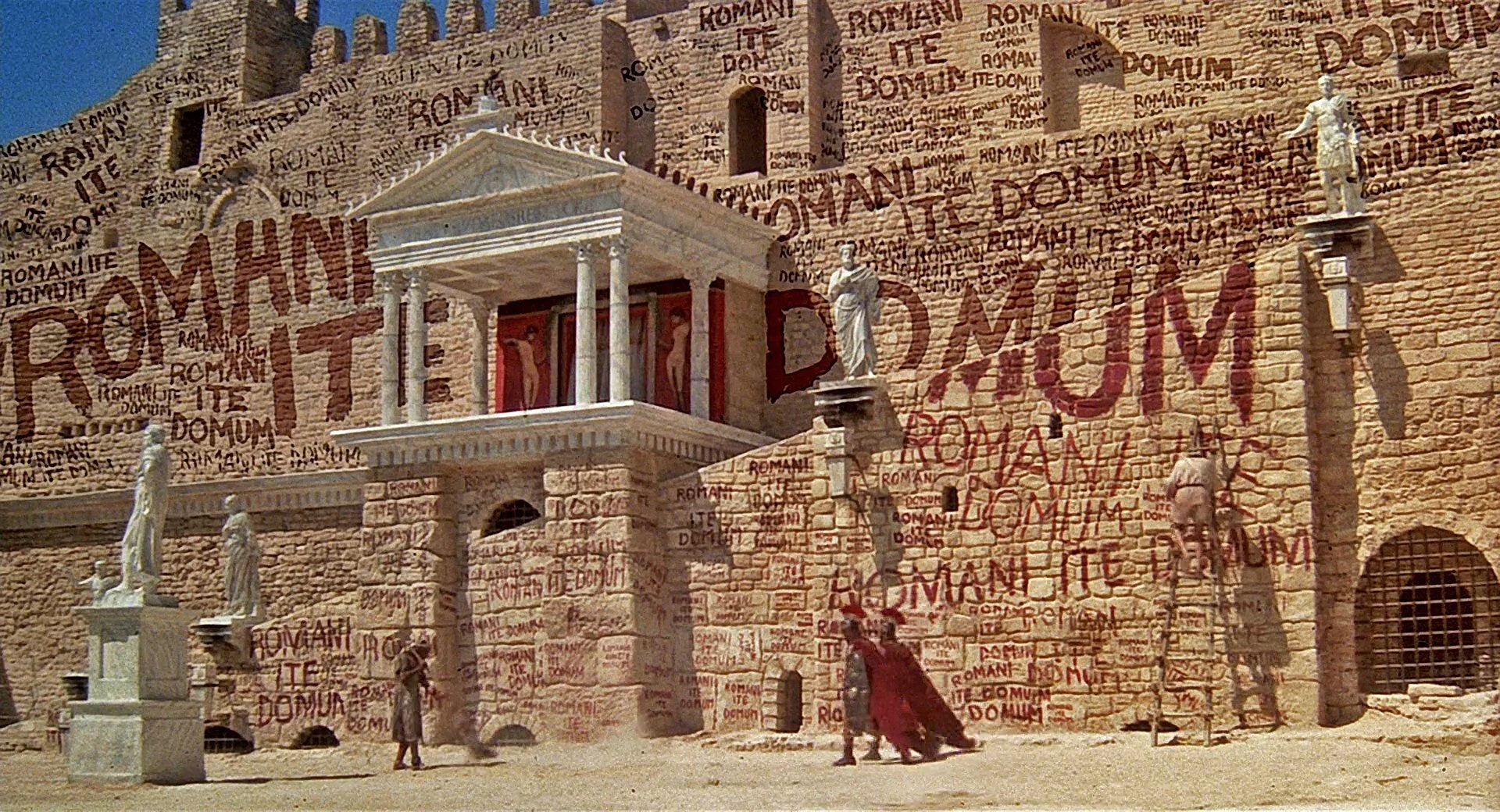
The answer wasn’t found in a scroll or on a tablet or graffitied on the wall.
It was found on the floor.
In the quarry, cart tracks had been worn into the rock. The grooves on the left side of the exit were deeper than the other. Carts leaving the quarry were heavy with stone. Returning carts were lighter. The evidence is literally carved into stone.
From this, historians can now argue that the Roman’s drove on the left. Try not to gloat the next time you meet an Italian on the motorway.
What this teaches us about evaluation
Why does any of this matter? In evaluation, we often start by asking questions:
“Did this increase your confidence?”
“How useful was this session?”
“Would you recommend this programme?”
Questions can be helpful. But sometimes we rush to ask questions before asking something more important:
If this programme is working, what would change actually look like?
The Romans didn’t tell us which side they drove on for us to find out.
Data and evidence
What is the evidence that your programme is effective?
You could start surveying or interviewing participants, but why not instead think about the evidence this leaves behind?
Also, interview analysis also sometimes feels like this. Coding go home.
For example:
If a mentoring programme builds confidence, what traces might we see?
More proactive contact?
Higher attendance?
Participation in class?
If a careers workshop works, what grooves might appear?
Increased progression into apprenticeships?
More CV submissions?
Improved interview performance?
Being evidence-led doesn’t mean creating data.
It means finding data that reflects real change. And the data could already be there.
Data, Simplified
The quarry story reminds us that evidence doesn’t have to be complicated to be powerful.
The archaeologists:
understood context
observed carefully
applied simple common sense
They didn’t start trying to create new data. They saw what was left behind, and it told a story. That’s evaluation at its core.
The challenge isn’t technical skill. It’s thinking clearly about what change would leave behind.
A Short Reflective Exercise
The next time you have to measure something, and you’ve already started thinking about the survey. Take a pause. Take five minutes and try this with your team.
1: Name the change
What is one key outcome you are trying to achieve?
Write it in one clear sentence.
2: Imagine success
If this outcome genuinely improved, what would we see happening differently?
Not what people would say, what would they do.
Write down bullet points
3: Existing data
Now think about the data you already hold.
Does any of the information you already collect, tell you about this?
Make notes against your bullet points
4: Reflect
Is this enough? Do you already have what you need?
Now ask yourself again, do you need a survey?
The lesson
We are constantly surveying students in HE. We need to cut that down. So much evaluation work doesn’t need it.
Sometimes it starts by standing outside the quarry and looking at the ground.
If you’re not sure what the “grooves” look like in your context, that’s exactly the kind of thinking I want to help you with. Simply, collaboratively, and without jargon.
Good evaluation isn’t about creating complicated evaluations. It’s about noticing what’s already there.
