Often social issues are complicated. Inequalities have loads of compounding reasons for why they exist, and fully addressing issues often mean having to address lots of things at the same time.
When people are really passionate about a certain issue, they understand these complexities and want to tackle all of it.
But this leads to a problem. It leads to people designing interventions and social programmes that are trying to do lots of things, engage with people on multiple levels, and getting really complicated really quickly.
Then it ends up trying to do lots of things, but not well.
I saw an example of this, just this weekend.
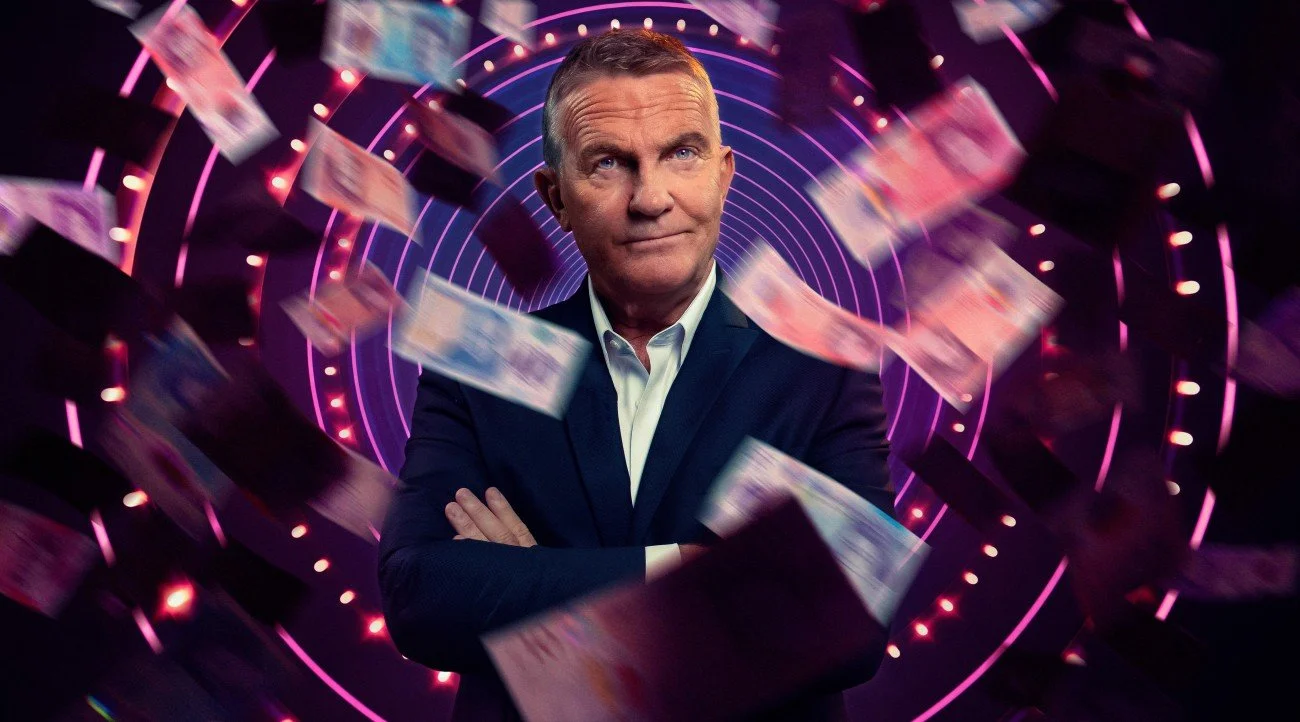
A clever format with no single job
On Sunday evening, I was sitting down enjoying Kevin McCloud talk about DeLorean on Channel 4. Delightful. Afterwards, a programme came on that I hadn’t heard about, but it immediately seemed odd.
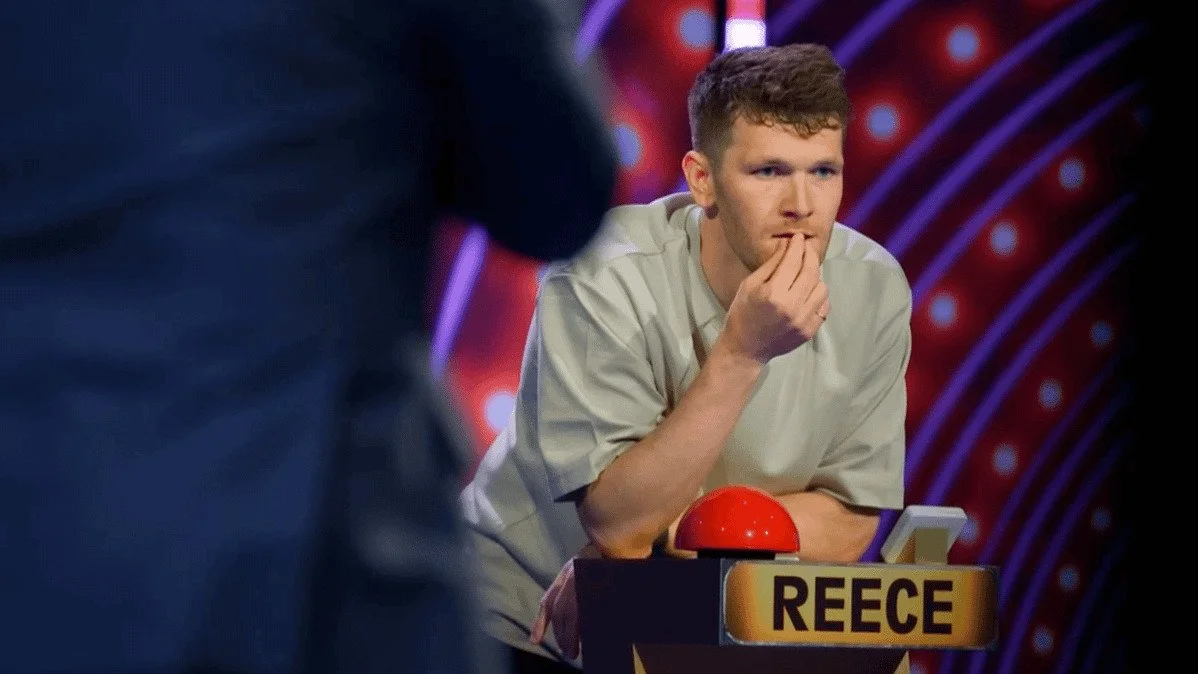
The programme was called ‘Million Pound Shot’. It’s a quiz show hosted by Bradley Walsh, where contestants have the chance to win £1million. The main contestant, Reece, needed to gamble his own (and borrowed) money to play, and as it went on, he quickly lost.
About halfway through, with Reece appearing to get more and more distressed as he got thousands of pounds in debt, the show seemed to suddenly fall apart. Then there was a reveal that it had been staged to expose how the gambling industry keeps people betting, and the second half was a breakdown of gambling techniques.
It was all a bit odd.
I was thinking a lot about this though not because of the gambling stuff (which of course is important). But because this feels like an ‘intervention’ on the public, rather than a tv programme.
And when I see a social intervention, I like to think about the Theory of Change behind it. What the impact would look like.
I don’t think ‘Million Pound Shot’ as an ‘intervention’ worked well, and I think it teaches us an important lesson.
Three outcomes, three different programmes
This programme had a general subject it wanted to tackle, and I think it had a ‘cool idea’ for a way to demonstrate it. But I don’t think they fully thought about the outcomes. It was effectively running three theories of change in one broadcast. Each is legitimate, but they need different ingredients, and those conflict. Each of these three ideas had a specific ‘change mechanism’: a way in which the outcomes would be achieved.
The first was ‘emotive’. Viewers were led to identify with the person and feel the experience along with them.
The second was ‘investigating’. Viewers were shown specific problems, tricks, and issues, and told what to watch out for.
The third was ‘campaigning’. Viewers were told about how gambling companies structurally encourage addiction and how laws were not tight enough to restrict it.
These are separate jobs. A programme that does all three weakly is easier to dismiss than one that does a single job well.
Learning from the past
There are examples in the past where all three of these approaches have achieved something. Where the ‘intervention’ changed the public discourse.
The emotive stories
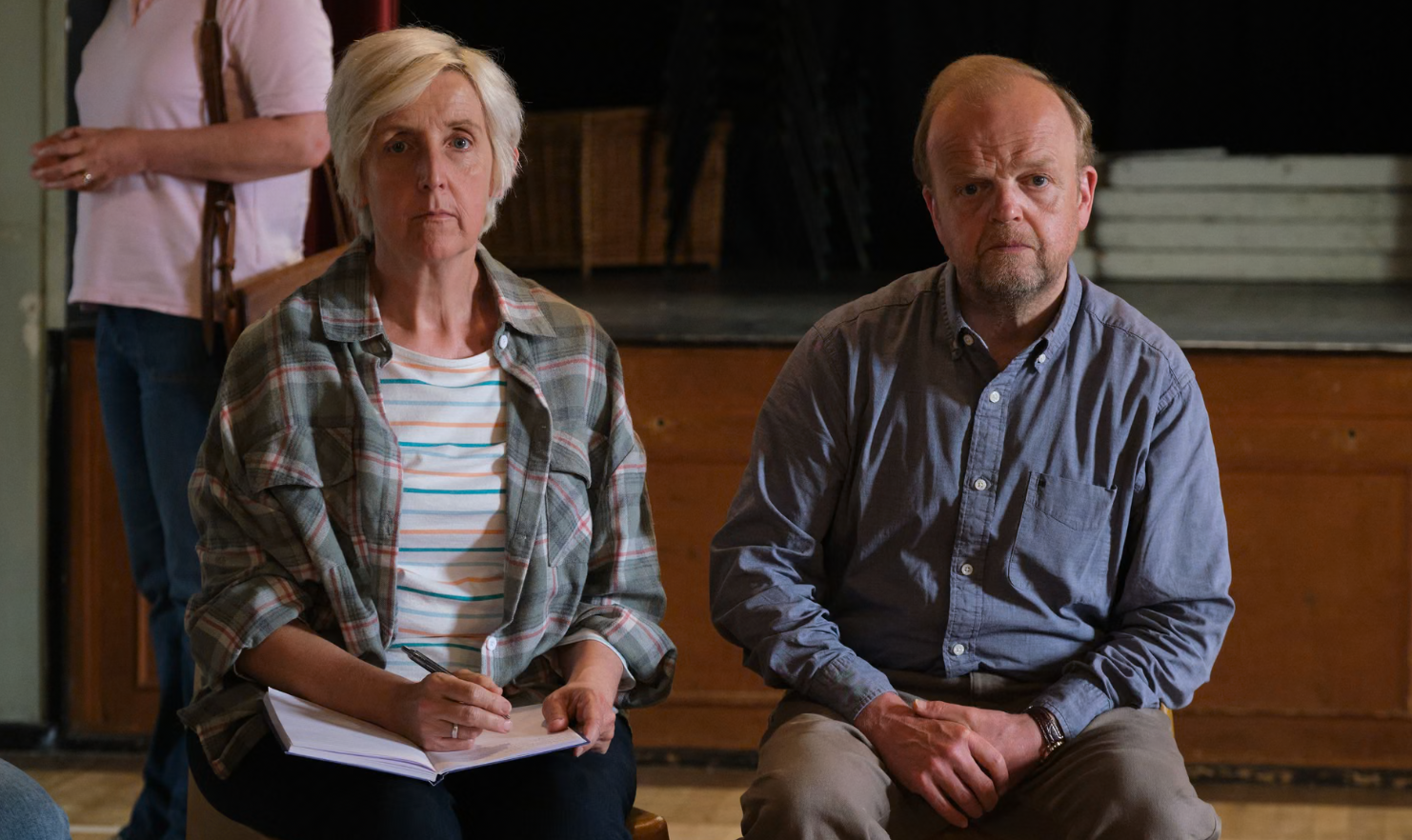
There are two that spring to mind, that have happened in the last couple of years.
ITV’s biggest drama in ages was ‘Mr Bates vs The Post Office’. What followed from it was the Post Office scandal being kept in the news, a petition leading to Paula Vennells handing back her CBE, and even Parliament passing the Post Office Offences Act to quash Horizon convictions.
The other was ‘Adolescence’. It was heavy hitting, it put issues of online safety not only into the public consciousness, but it was talked about in Government. The Online Safety Act was defended and pushed harder with this narrative. Parents talked about making sure they had YouTube Kids on their children’s tablets so Andrew Tate couldn’t get to them.
What is key?
Viewers became invested in a story and the journey these characters went on
It was clear what was real and what was a drama, and there were no hidden surprises
A clear injustice from the start, and a target for what the issue was
We knew what was happening, we got invested in it, we understood the message from the start.
The investigative stories
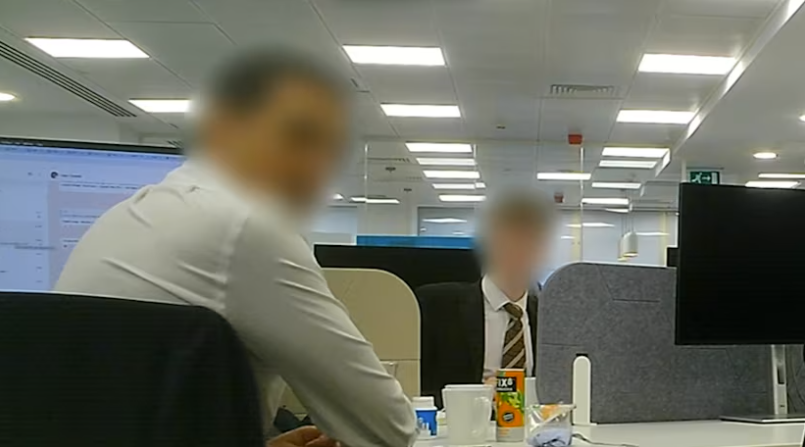
Last month, ITV released its investigation entitled ‘Undercover: A Year in Reform’. This showed candidates making racist, sexual and violent remarks, and ITV reported the Prime Minister calling on Reform to take action. It’s sparked not only a backlash, but questions about the Reform Party and its candidate selection are now being discussed widely.
BBC Panorama have been uncovering social issues and putting the spotlight on injustices for decades. It’s special episodes on the ‘Winterbourne View hospital’, ‘contaminated blood’, and ‘missing Dubai princesses’ have led to national and international investigations lead by governments and the UN.
What is key?
A real and identifiable person or institution was named and filmed
It was hard evidence gathered
Viewers could see real-life wrongdoing
These were real examples of things going wrong, in the spotlight, and shown for the viewer with details of exactly what was going wrong and the consequences.
The campaigning stories
Jamie Oliver has been campaigning for years to change government policy on food. In ‘Jamie’s School Dinners’, his show not only highlighted the issue of unhealthy food for children in schools but led the campaign to reform school catering.
TV channels have changed their practices more widely as a part of, or result of, social campaigns. For example, Sky introduced its own targets around eliminating single-use plastics alongside ‘Sky Ocean Rescue’.
What is key?
A production with a clear policy agenda
The production team led by example
A system change runs alongside the programme
These were specific interventions with a clear change mechanism at its heart.
How Million Pound Shot missed the mark
It tried to do all three, and (I think) failed.
It spent the emotion, then cancelled it. Reece was an actor, but this was revealed half way through, and this retroactively cancelled whatever viewers had felt. When I was watching it, I started questioning whether it was real, and by the time the reveal happened, I just wasn’t buying it. I was taken out of it. The real story, Patrick Foster's 13-year addiction and roughly £250k of debt, came afterwards, but by that point there was no time left to get reinvested.
It demonstrated tactics through a simulation, not a documented case. The warning was specific (free bets, betting tokens that make money feel less real, and buttons that create an illusion of control, according to psychologist Dr Steve Sharman), but it was staged. Walsh described the techniques as "legal but manipulative". Entain and Evoke rejected the claims Channel 4 put to them, Flutter said it operates in a "legal, licenced and highly regulated market", and the Betting and Gaming Council said disguised losses were banned years ago.
So the demonstration didn’t work because it was fake and could easily be challenged.
It had a general ask for change, but the producers don’t demonstrate these values. Walsh hosts The Chase, which Gala Bingo sponsors. In 2024 an MP asked Channel 4 to consider a full ban on gambling ads, noting it is the only public broadcaster carrying them. It had a generic ask, and you can’t take it seriously when Channel 4 still gets the money.
Ultimately, it had no single outcome. They couldn’t commit to the emotive, because they wanted to have experts talk. But they didn’t commit to showing an investigation because they wanted to ‘experiment’ and shock the audience. And they want a campaign, but they haven’t really committed to it.
Bradley Walsh reportedly said it would have succeeded if even one viewer reconsidered their gambling. That’s great, but it can’t be measured. It’s an intervention that considered only the output, and not the outcomes.
What this means for WP outreach
I’m commenting on this, not to slate Channel 4. And I’m sure Bradley Walsh is a good guy who feels passionately about gambling.
I’m writing all this because we can learn from it in Higher Education and in any social change programme.
We see the same muddle in outreach: a campus day meant to inspire, inform, build belonging and raise attainment all at once. Each of those is a different change mechanism with different ingredients and a different outcome measure.
When a programme tries all of them, it is hard to say which one is meant to work, and almost impossible to tell afterwards what did. Especially when you have your participants for an hour… and that’s it.
There is a principle therefore, that I would propose: one primary mechanism per intervention, and everything else in service of it. Commit to it in full.
And we can think about this in a checklist.
Choose the mechanism before the format. What must change in the participant (knowledge, belief, belonging, skill) for the outcome to happen?
Define one outcome you could fail to hit. "Raising awareness" (this phrase is a personal bugbear of mine) cannot be failed. So you can’t measure success if you can’t fail it.
Test each element against the mechanism. If a session, a speaker or a gimmick does not serve it, I’d consider whether you need it at all.
Match the ingredients to the mechanism. Emotive work needs time for it to work, and no deception. If you want to inform, you need to be clear about what’s happening. If you want change to happen, you need to show it yourself.
Measure the mechanism, not just the activity. Outputs are easy, mainly because they’re in your control. The question is whether the thing you designed to change did change.
I talk about simplifying evaluation and impact measurement.
I’m proposing we simplify our interventions too. Not make them smaller, make them stronger and more specific.
